


Introduction
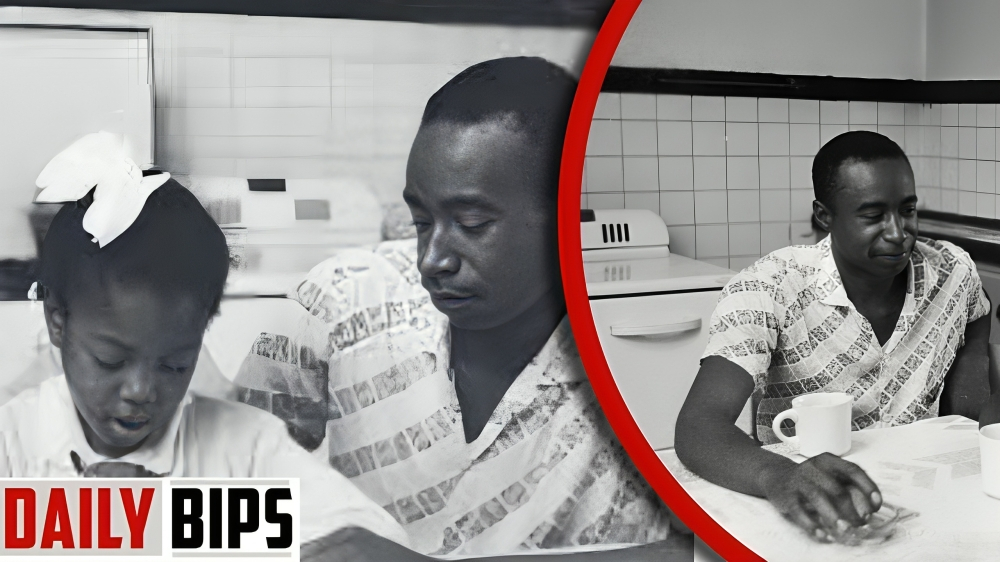
Behind every hero in history, there are people who help shape their journey. One of these quiet heroes is Abon Bridges, best known as the father of Ruby Bridges, the first African American child to integrate an all-white elementary school in the American South. While Ruby became a symbol of courage in the Civil Rights Movement, her father’s role in that history is less known. The story of Abon Bridges is one of strength, sacrifice, and love a father who stood firm in one of America’s most challenging times.
| Category | Details |
|---|---|
| Full Name | Abon Bridges |
| Birth Year | 1931 |
| Place of Birth | Tylertown, Mississippi, USA |
| Nationality | American |
| Occupation | Mechanic |
| Famous For | Father of Civil Rights icon Ruby Bridges |
| Spouse | Lucille Bridges |
| Children | Five (including Ruby Bridges) |
| Known For | Supporting Ruby during school desegregation in 1960 |
| Death Date | February 22, 1978 |
| Death Place | New Orleans, Louisiana, USA |
| Cause of Death | Not publicly confirmed |
| Legacy | Symbol of strength and quiet courage in the Civil Rights Movement |
Early Life of Abon Bridges
Abon Bridges was born in 1931 in the United States, most likely in Tylertown, Mississippi. Little is recorded about his early years, but like many African Americans of his generation, he grew up in the era of segregation. Life was difficult, and opportunities were limited. From a young age, Abon Bridges learned the importance of hard work and family, values that would later define his life as a husband and father.
A Working Man and Army Veteran
Before becoming known as Ruby Bridges’ father, Abon Bridges served in the Korean War. After returning home, he built a stable life for his family by working as a mechanic in New Orleans. He was known for his dedication, honesty, and strong work ethic. His military experience taught him discipline and resilience, qualities that helped his family survive the difficult days that came later.
Marriage to Lucille Bridges
In the early 1950s, Abon Bridges married Lucille Bridges, a woman who shared his strong faith and determination. Together, they built a family filled with love and hope. Their marriage reflected teamwork and mutual respect, with both parents working to provide a better future for their children. Lucille was a devoted mother, and Abon was a hardworking provider. They raised five children, including Ruby Nell Bridges, who would later make history.

The Move to New Orleans
The Bridges family moved from Mississippi to New Orleans, Louisiana, seeking better opportunities and education for their children. Life in the city offered more jobs, but racial inequality remained strong. Abon Bridges worked long hours as a mechanic, and Lucille managed the household. They dreamed of giving their children access to good schools, even though segregation still ruled in the South.
The Beginning of Change
In 1960, the U.S. federal court ordered New Orleans schools to desegregate. The NAACP (National Association for the Advancement of Colored People) called for African American families to volunteer their children to attend white schools. When the call came, Lucille Bridges wanted to give their daughter Ruby the chance for a better education. Abon Bridges, however, was hesitant at first. He feared for his daughter’s safety and worried about losing his job. His concerns were real racism and violence were common.
A Father’s Hard Decision
Despite his fears, Abon Bridges eventually supported his wife’s decision. He realized that this step could change not only Ruby’s life but also the future of Black children across America. This decision showed the quiet courage of a father who chose hope over fear. He knew it would be difficult, but he stood by his family with pride and faith.
Facing Backlash
Once Ruby Bridges began attending William Frantz Elementary School, the Bridges family faced intense racism and anger from the community. Many white parents withdrew their children, and protesters gathered outside the school. Inside, Ruby had to be escorted by federal marshals for safety. Outside, Abon Bridges suffered in silence he lost his job, neighbors turned against him, and the family faced isolation. Yet he never turned away from what was right.
Life After Integration
After the historic school integration, Abon Bridges continued working wherever he could to support his family. The family’s struggle became a symbol of strength during the Civil Rights Movement. Though Abon stayed out of the public eye, his quiet determination helped his children grow up with pride and dignity. His daughter Ruby often said that her parents’ bravery gave her the strength to walk through those school doors.
Family Life and Children
Abon and Lucille Bridges had five children with Ruby being the oldest. The children grew up witnessing both the pain of discrimination and the pride of making history. Ruby Bridges went on to become an activist and educator, founding the Ruby Bridges Foundation, which promotes tolerance and equality. The other Bridges children chose private lives away from the spotlight. Still, their father’s lessons of faith, hard work, and perseverance stayed with them.

The Legacy of Lucille and Abon Bridges
While Lucille Bridges became known publicly for her courage and interviews, Abon Bridges remained in the background. He preferred a quiet life, avoiding media attention. Yet, both parents shared equal credit for the bravery that changed America. Without Abon’s eventual approval and strength, Ruby’s journey might never have happened. Their story reminds us that history is not just made by those in the spotlight, but also by those who stand beside them.
How Did Abon Bridges Pass Away?
According to available records, Abon Bridges passed away on February 22, 1978, in New Orleans, Louisiana. He was only in his mid-forties when he died. The cause of death has never been publicly confirmed, and his passing received little attention in the media. Although he lived a short life, the mark he left on history through his daughter and family remains powerful. His death was a quiet ending to a life of courage and sacrifice.
Was Abon Bridges Still Alive During Ruby’s Activism?
Sadly, Abon Bridges did not live long enough to see the full impact of Ruby’s work as an adult. He passed away long before she became a national figure of civil rights education. However, his teachings and values lived on through her. Ruby Bridges has often spoken about her parents’ influence, saying they taught her that courage is doing what’s right even when it’s hard.
Abon Bridges’ Job and Everyday Life
Throughout his life, Abon Bridges worked as a mechanic, a skilled trade that required patience and precision. His work ethic reflected his character reliable, consistent, and humble. He took pride in providing for his family and rarely complained about hardship. Even after losing jobs because of racial discrimination, Abon found ways to continue supporting his wife and children. His life represents the quiet dignity of working-class African American fathers during the civil-rights era.
Relationship with Lucille Bridges
The partnership between Abon and Lucille Bridges faced both love and tension. Reports suggest that the stress from community hostility and financial struggles put strain on their marriage. Despite this, they remained united in protecting their children and maintaining family strength. Lucille Bridges, who lived until 2020, often honored Abon’s memory in interviews, describing him as a good man who stood by his family in their hardest times.
Abon Bridges’ Legacy Through Ruby
Today, when people celebrate Ruby Bridges, they also celebrate the foundation laid by her parents. Abon Bridges’ decision to let his daughter attend an all-white school changed American history. His courage taught generations the meaning of quiet strength. Ruby Bridges often shares how her father’s discipline and kindness shaped her outlook on life. Without his sacrifices, her story and a vital chapter of civil-rights history would not exist.

Remembering Abon Bridges
While Abon Bridges does not have a statue or a famous quote, his legacy continues through education and storytelling. The Ruby Bridges Foundation works to fight racism and promote equality values that came from her parents. Schools and museums across the United States now teach his family’s story as part of civil-rights history. He may not have sought recognition, but his name lives on in the courage of his daughter and the generations inspired by her bravery.
Abon Bridges’ Final Resting Place
Records show that Abon Bridges was cremated in New Orleans after his death in 1978. There are no public photographs or detailed obituaries, a sign of how quietly he lived his life. His story, however, is not forgotten. Every time children learn about Ruby Bridges walking to school in 1960, they also honor the man who walked with her in spirit her father, Abon Bridges.
Frequently Asked Questions
1. Who was Abon Bridges?
Abon Bridges was the father of Ruby Bridges, the first African American child to integrate an all-white elementary school in the South. He played a vital role in supporting his daughter’s courage during the Civil Rights Movement.
2. How did Abon Bridges die?
Abon Bridges passed away on February 22, 1978, in New Orleans, Louisiana. The exact cause of death was not publicly shared, but he was in his mid-forties at the time.
3. Was Abon Bridges still alive when Ruby Bridges became famous?
No, Abon Bridges passed away before Ruby Bridges became a well-known civil rights activist and educator. However, his influence lived on through her.
4. What did Abon Bridges do for a living?
Abon Bridges worked as a mechanic in New Orleans. His dedication and strong work ethic helped support his wife, Lucille Bridges, and their five children.
5. Who was Abon Bridges’ wife?
Abon Bridges was married to Lucille Bridges, who stood beside him during their daughter’s historic school integration in 1960. Together, they raised five children, including Ruby Bridges.
Conclusion
Abon Bridges may not be a household name, but his influence is deeply rooted in American history. As a husband, father, and hardworking man, he faced racism and hardship with silent strength. His courage to stand behind Ruby Bridges during one of the most dangerous moments in the Civil Rights era makes him an unsung hero. His life reminds us that true change often begins at home with ordinary people who choose to do what’s right, even when it comes at a great cost.
For more information Visit: Daily Bips
