


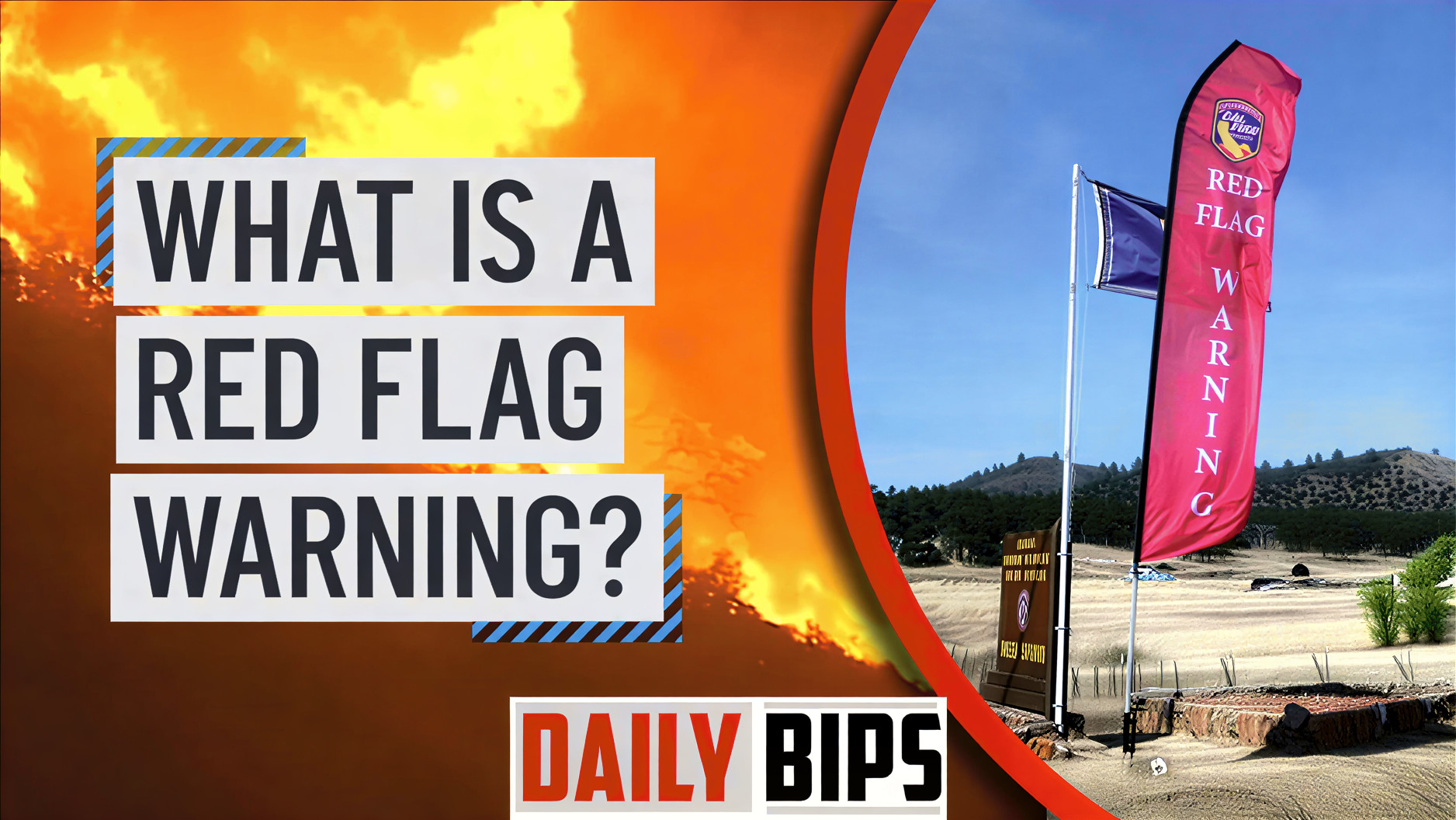
A red flag (fire weather) warning is a serious alert about extreme wildfire danger. It tells people that weather and land conditions are very risky and that fires can start easily and spread very fast. This warning is about prevention and safety, not panic. When people understand this alert, they can make smart choices that protect homes, families, and firefighters.
Quick Bio
| Field | Details |
|---|---|
| Topic | Red Flag (Fire Weather) Warning |
| Alert Type | Fire weather warning |
| Issued By | National Weather Service (NWS) |
| Purpose | Warn of extreme wildfire danger |
| Trigger Time | Now or within 12–24 hours |
| Main Causes | Strong winds, low humidity, dry fuels |
| Humidity Level | Often below 15–25% |
| Wind Speed | Commonly 15–30 mph or higher |
| Fuel Type | Dry grass, leaves, brush |
| Affected Areas | Local to regional zones |
| Public Action | Avoid sparks and open flames |
| Safety Goal | Prevent fast-spreading wildfires |
What Is a Red Flag (Fire Weather) Warning?
A red flag (fire weather) warning is issued by the National Weather Service. It means that dangerous fire weather conditions are happening now or are expected very soon, often within the next 12 to 24 hours.
This warning focuses on weather factors, not on an active wildfire. Even if there is no fire nearby, the risk is high. Fire agencies use this alert to prepare crews, limit risky work, and stop controlled burns.
Red Flag (Fire Weather) Warning Meaning in Simple Words
The red flag (fire weather) warning’s meaning is simple. It means the land is very dry, and the weather can help a fire grow fast. A small spark can turn into a large fire in minutes.
This alert is meant to change behavior. People are asked to avoid activities that can cause sparks or flames. These small actions can prevent big disasters.
What Causes a Red Flag (Fire Weather) Warning?
A red flag (fire weather) warning is issued when several dangerous conditions happen together. One condition alone is usually not enough to trigger it.
The main causes are strong winds, very low humidity, and dry vegetation. In some areas, dry lightning is also included because lightning can start fires without rain.
Why Wind Is So Dangerous for Fires
Wind is one of the biggest dangers during a red flag (fire weather) warning. Wind pushes flames forward and carries burning embers through the air.
These embers can land far away and start new fires, called spot fires. This makes fires hard to control, even for trained firefighters.
Why Low Humidity Matters
Low humidity means the air is very dry. During a red flag (fire weather) warning, humidity levels are often very low, sometimes below 20 percent.
Dry air pulls moisture out of plants. Grass, leaves, and small branches then burn more easily and faster.
Understanding Dry Fuels
“Fuels” are things that burn, like grass, brush, leaves, and small sticks. During a red flag (fire weather) warning, these fuels are very dry.
Fire experts also look at fuel moisture. When fuel moisture is low, fires start quicker and spread faster. This is why dry seasons are so dangerous.
Red Flag Warning vs Fire Weather Watch
Many people confuse these two alerts. A Fire Weather Watch means dangerous conditions may develop in the next one to three days.
A red flag (fire weather) warning means those conditions are already happening or will start very soon. A watch is a warning to prepare. A red flag warning is a call to act carefully now.

Red Flag (Fire Weather) Warning Map Explained
A red flag (fire weather) warning map shows areas where the warning is active. These maps usually use red colors to mark danger zones.
Maps are updated often and show details like start time, end time, wind speed, and humidity. They help people understand local risk.
Why Red Flag Warnings Change by Location
A red flag (fire weather) warning in one state may look different from another state. This is normal.
Each region has different plants, weather patterns, and land types. Because of this, local weather offices set warning rules that fit their area.
Red Flag (Fire Weather) Warning in California
A red flag (fire weather) warning is common in California. Hot temperatures, dry air, and strong winds create serious fire danger.
Areas like Los Angeles, Orange County, and San Diego often see these warnings. Winds can push fires quickly from hills into neighborhoods.
Red Flag (Fire Weather) Warning in Texas and Florida
A red flag (fire weather) warning also happens in Texas and Florida, but for different reasons. Texas often faces dry grass and strong winds.
Florida warnings are linked to drought and dry forests. Even humid states can face wildfire danger during dry periods.
Red Flag (Fire Weather) Warning in Cities
A red flag (fire weather) warning can affect large cities, too. Places like Chicago or New York City may see warnings during dry and windy seasons.
Urban areas still have parks, open land, and dry vegetation. Fires in cities can spread smoke and cause serious damage.
What to Avoid During a Red Flag Warning
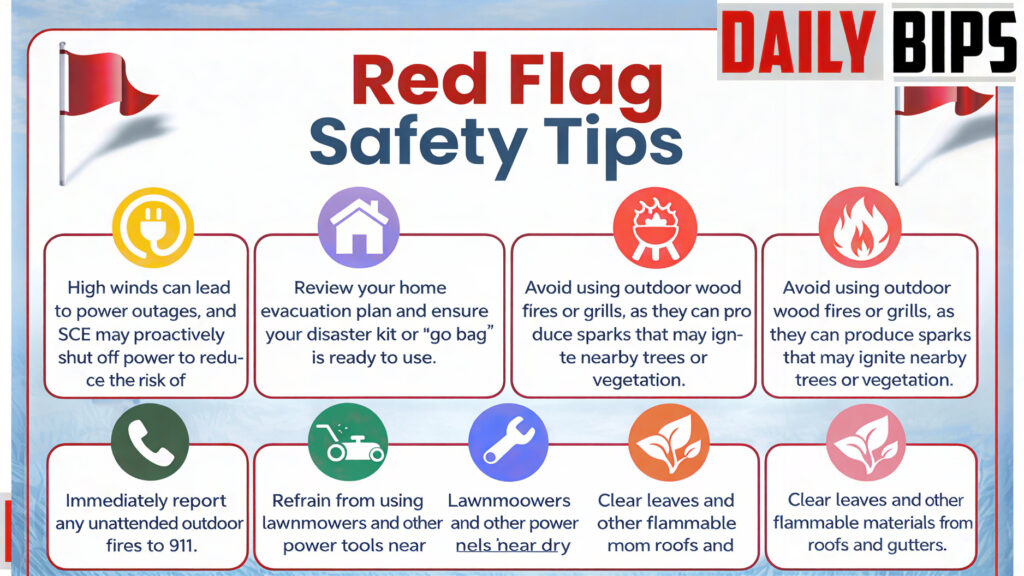
During a red flag (fire weather) warning, people should avoid anything that can start a fire. This includes campfires, fire pits, and burning trash.
Smoking outside, using spark-producing tools, and parking cars on dry grass should also be avoided. These actions lower fire risk.

How to Protect Your Home
Home safety is very important during a red flag (fire weather) warning. Simple steps can make a big difference.
Clear dry leaves from gutters, move firewood away from walls, and close windows on windy days. These steps reduce the chance of fire damage.
Family and Community Safety
Families should have a simple emergency plan during a red flag (fire weather) warning. Know how to get alerts and where to meet if needed.
Communities also play a role. Reporting smoke early and following fire restrictions helps protect everyone.
Why These Warnings Save Lives
A red flag (fire weather) warning exists to prevent tragedy. Many large wildfires started on days with these exact conditions.
When people take this alert seriously, fewer fires start. This protects homes, wildlife, and the lives of firefighters.
Frequently Asked Questions
What is a red flag (fire weather) warning?
It is an alert that signals very dangerous fire conditions due to the weather and dry land.
Does a red flag warning mean a fire is burning nearby?
No. It means conditions are risky if a fire starts, not that one is active.
How long does a red flag warning last?
It can last a few hours to a full day, depending on weather changes.
Where can I check active warnings and maps?
Use official weather alerts, local news, or the NWS hazards map.
What should I avoid during a red flag warning?
Avoid outdoor burning, campfires, smoking outside, and spark-producing tools.
Final Thoughts
A red flag (fire weather) warning is a clear signal of extreme wildfire danger. It does not mean a fire is burning, but it means one could start easily.
By understanding the meaning, checking maps, and following safety advice, people can reduce risk and stay safe. Awareness and action truly save lives.
Curious for more? Dive deeper on our site now! Daily Bips
